AI Jiggle Generator
Natural jiggle motion is one of the hardest things for AI to get right. Our generator uses advanced physics modeling to create realistic, natural-looking jiggle animation from any photo.
Generate Your Twerk Video NowSee It In Action
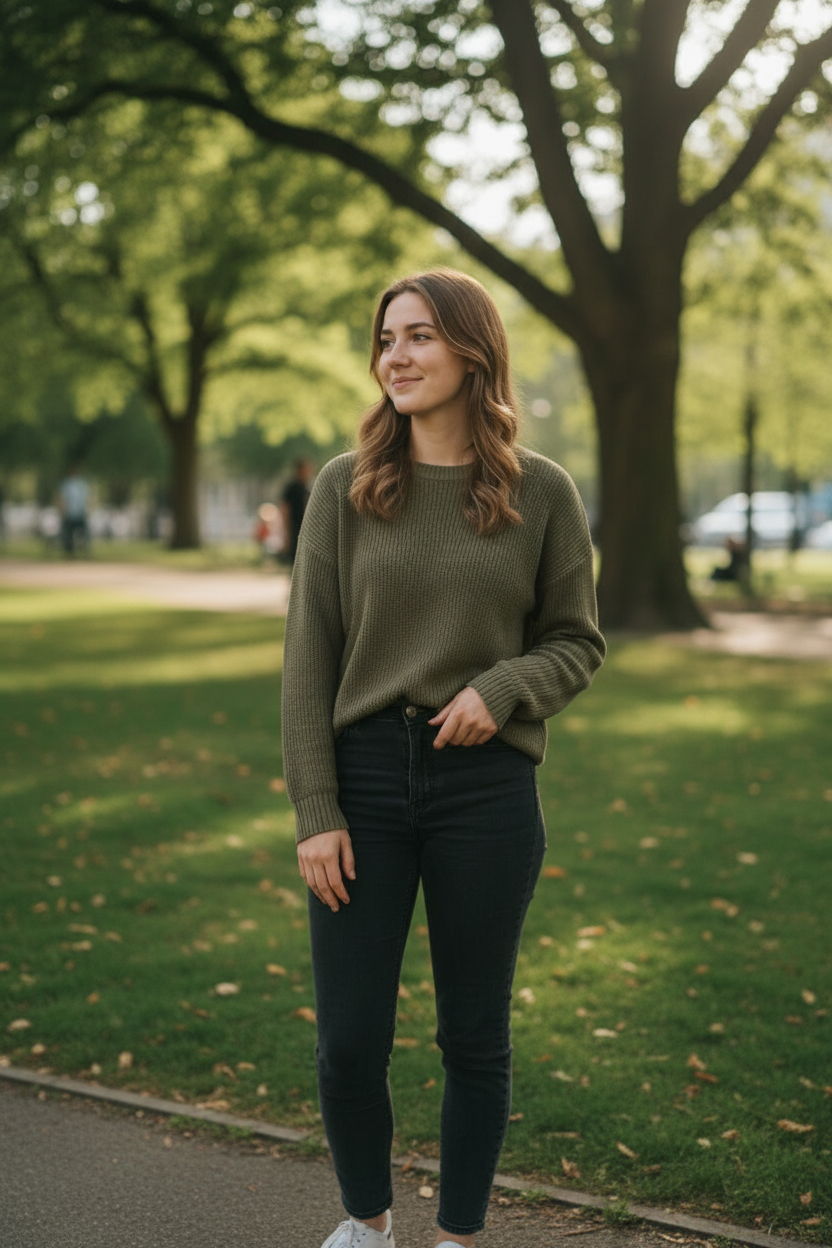
Input Photo
AI Twerk Output
Jiggle Motion in AI Video
Jiggle refers to the natural oscillating movement of soft tissue in response to body motion. In the context of AI video generation, jiggle motion is one of the most important elements that separates realistic-looking output from artificial-looking animation. When a person dances, walks, or performs any vigorous movement, their body naturally jiggles. Without this secondary motion, AI-generated videos look stiff, robotic, and unconvincing.
In dance videos specifically, jiggle motion is a key visual element. Twerk, booty shake, hip shake, and other dance styles all produce natural jiggle as a byproduct of the primary movement. Viewers recognize natural jiggle intuitively, even if they cannot articulate exactly what makes motion look real versus artificial. When it is present, the video feels authentic. When it is absent, something feels off.
For AI video generators, producing realistic jiggle motion requires understanding physics, anatomy, and the properties of soft tissue. This is not something that can be faked with simple image warping or basic animation techniques. It requires a model that has learned from real-world video data how bodies actually move and respond to rapid motion.
Our AI jiggle generator is built on technology that prioritizes physical realism in body motion. The result is animation where every bounce, shake, and movement is accompanied by the natural secondary motion that real bodies exhibit. This attention to physical realism is what makes our output consistently more convincing than general-purpose AI video tools.
Physics-Based Animation: How It Works
The key to realistic jiggle motion in AI video is physics-based animation. Rather than using fixed animation patterns or simple oscillation formulas, our AI models the actual physical properties of the human body to generate motion that follows real-world physics.
Mass distribution modeling is the first component. Different parts of the body have different mass and density characteristics. The AI understands that soft tissue responds to movement differently based on its mass, which affects how much it moves, how quickly it oscillates, and how long the jiggle continues after the primary movement stops.
Elasticity simulation is the second component. Soft tissue has elastic properties, meaning it deforms under force and then returns to its original shape. The AI models this elasticity to produce jiggle that has the right amplitude, meaning it does not move too far or too little, and the right recovery speed, meaning it settles back to rest at a natural rate.
Damping calculations control how quickly jiggle fades after the primary movement. In real physics, soft tissue jiggle does not stop instantly or continue forever. It diminishes over a few oscillation cycles as energy is absorbed. The AI applies proper damping to each jiggle cycle so the motion dies down naturally rather than abruptly stopping or repeating indefinitely.
Propagation timing ensures that jiggle does not happen simultaneously across the entire body. When the hips drop during a twerk, the jiggle response starts at the point of impact and propagates outward. This wave-like propagation creates a natural-looking cascade of motion that adds to the realism of the animation.
These physics components work together in every frame of the generated video. The AI calculates the primary body movement first, then simulates the physics-based soft tissue response for each frame. This layered approach produces the realistic jiggle that makes our output stand out.
Realism in Motion: What Makes Jiggle Look Natural
Achieving natural-looking jiggle in AI-generated video requires getting several subtle details right. Here is what distinguishes convincing jiggle from artificial-looking wobble.
Timing is everything. Real jiggle has a slight delay after the primary movement. When someone bounces downward, the jiggle response happens a fraction of a second later as the body absorbs the impact. AI that generates simultaneous jiggle, where everything moves at exactly the same time, produces output that looks mechanical. Our model captures this timing offset accurately.
Frequency must match body proportions. Larger, heavier body areas jiggle at lower frequencies with wider amplitude. Smaller areas jiggle at higher frequencies with tighter amplitude. The AI adjusts the jiggle characteristics based on the body area, producing motion that is physically consistent with the person's proportions in the uploaded photo.
Asymmetry adds authenticity. Real jiggle is never perfectly symmetrical. The left and right sides of the body respond slightly differently to movement due to natural variations in posture, muscle engagement, and tissue distribution. The AI introduces subtle asymmetry into the jiggle motion, avoiding the perfectly mirrored look that is a telltale sign of computer-generated animation.
Interaction with clothing is a critical detail. When soft tissue jiggles under clothing, the fabric responds with its own secondary motion. Tight clothing compresses the jiggle, making it more subtle. Loose clothing amplifies and modifies the visible motion. The AI accounts for clothing type and fit when generating the jiggle response, producing results that look correct for whatever the person in the photo is wearing.
Decay patterns must be natural. Each jiggle cycle should have slightly less energy than the previous one as the motion dampens. Artificial jiggle that maintains the same intensity throughout looks robotic. Our model generates proper exponential decay in jiggle energy, matching how real physics works.
How the AI Achieves Natural-Looking Movement
The path from a still photo to a video with natural-looking jiggle involves several AI processing stages that work together to produce the final result.
Stage one is body understanding. The AI analyzes your uploaded photo to build a comprehensive model of the person's body. This includes not just skeletal structure and pose, but also soft tissue distribution, clothing type, and body proportions. This comprehensive understanding is what allows the physics simulation to be tailored to the specific person in your photo rather than applying a one-size-fits-all animation.
Stage two is motion generation. Based on the selected twerk or dance style, the AI generates the primary body movement, meaning the skeletal motion of the hips, legs, torso, and arms. This primary motion is what defines the dance style, whether it is twerking, hip shaking, or booty bouncing.
Stage three is physics simulation. Using the body model from stage one and the primary motion from stage two, the AI simulates the soft tissue response for every frame. This is where the jiggle is generated. The simulation runs in real time during the video generation process, calculating forces, accelerations, and deformations at each timestep.
Stage four is rendering with physics integration. The final video frames are rendered with both the primary motion and the physics-simulated jiggle combined. The AI generates each frame from scratch, incorporating the person's appearance from the original photo with both the dance movement and the secondary jiggle motion applied. The result is a video where every element, from the dance choreography to the subtle physics of body movement, looks natural and cohesive.
This four-stage pipeline is specifically optimized for dance content where jiggle motion plays a significant role in the visual quality of the output. General-purpose AI video generators typically skip or simplify the physics simulation stage, which is why their dance output often lacks the physical realism that makes videos feel authentic.
Jiggle Intensity and Style Options
Our AI jiggle generator gives you control over the intensity and character of the jiggle motion through both presets and custom prompts.
Natural Jiggle is the default level and produces physics-accurate motion that matches what you would see in real life. The jiggle is present but proportional to the dance movement and the person's body. This is the most realistic option and works well for content where authenticity is the priority.
Enhanced Jiggle increases the amplitude slightly beyond what strict physics would dictate. The motion is still natural-looking but more visually prominent. This option is popular for social media content where the jiggle effect is part of the visual appeal and a bit of emphasis helps the content perform.
Subtle Jiggle reduces the amplitude for a more understated effect. The physics are still realistic, but the jiggle is dialed back for situations where you want the dance movement to be the focus without strong secondary motion. This works well for casual content or when working with photos where the person is wearing structured clothing.
The style of jiggle is also influenced by your choice of dance movement. Twerk produces sharp, bounce-driven jiggle with rapid oscillation. Hip shake produces softer, flowing jiggle that follows the circular hip motion. Booty shake produces a mixture of bouncing and shaking jiggle. Squat twerk produces powerful, impact-driven jiggle with each drop.
When writing custom prompts, you can influence jiggle characteristics by describing the movement intensity and speed. "Gentle, slow twerk" produces less jiggle than "aggressive, fast twerk" because the physics simulation responds to the primary movement intensity. You do not need to specifically mention jiggle in your prompt. The AI generates it automatically as a natural consequence of the dance movement.
Getting Started with the AI Jiggle Generator
Creating a video with realistic jiggle motion takes just a few minutes. Here is how to get the best results.
Start with a high-quality photo. Since jiggle motion involves subtle, detailed movement, photo quality has a direct impact on how realistic the output looks. High-resolution, well-lit photos where the person is clearly visible produce the best jiggle results.
Upload your photo to our homepage and choose a twerk or dance style. Every style includes physics-based jiggle automatically, so you do not need to do anything special to activate it. The jiggle is generated as a natural byproduct of whichever dance movement you select.
For the most prominent jiggle effect, choose higher-intensity presets like "Intense Twerk" or use custom prompts that describe fast, energetic movement. The stronger the primary dance motion, the more pronounced the jiggle response will be.
For subtle, natural jiggle, choose gentler presets like the circular roll or use custom prompts with words like "slow," "gentle," and "smooth." The jiggle will still be present but proportionally reduced to match the calmer movement style.
Review your video and iterate if needed. Sometimes the first generation produces perfect results, and sometimes a small adjustment to the intensity or style makes a big difference. Try changing one variable at a time, such as switching from moderate to intense, to see how it affects the jiggle quality.
The AI handles all the physics calculations automatically, so you do not need any technical knowledge about animation or physics to get great results. Just upload, choose your style, and let the AI do the work. The physics-based jiggle generation is built into every video we produce.
Ready to Create Your Twerk Video?
Upload a photo and get a realistic AI twerk video in minutes.
Try It Now