AI Squat Twerk Generator
Squat twerk is one of the most demanding and impressive twerk styles. Our AI squat twerk generator brings this powerful movement to life from any full-body photo.
Generate Your Twerk Video NowSee It In Action
Input Photo
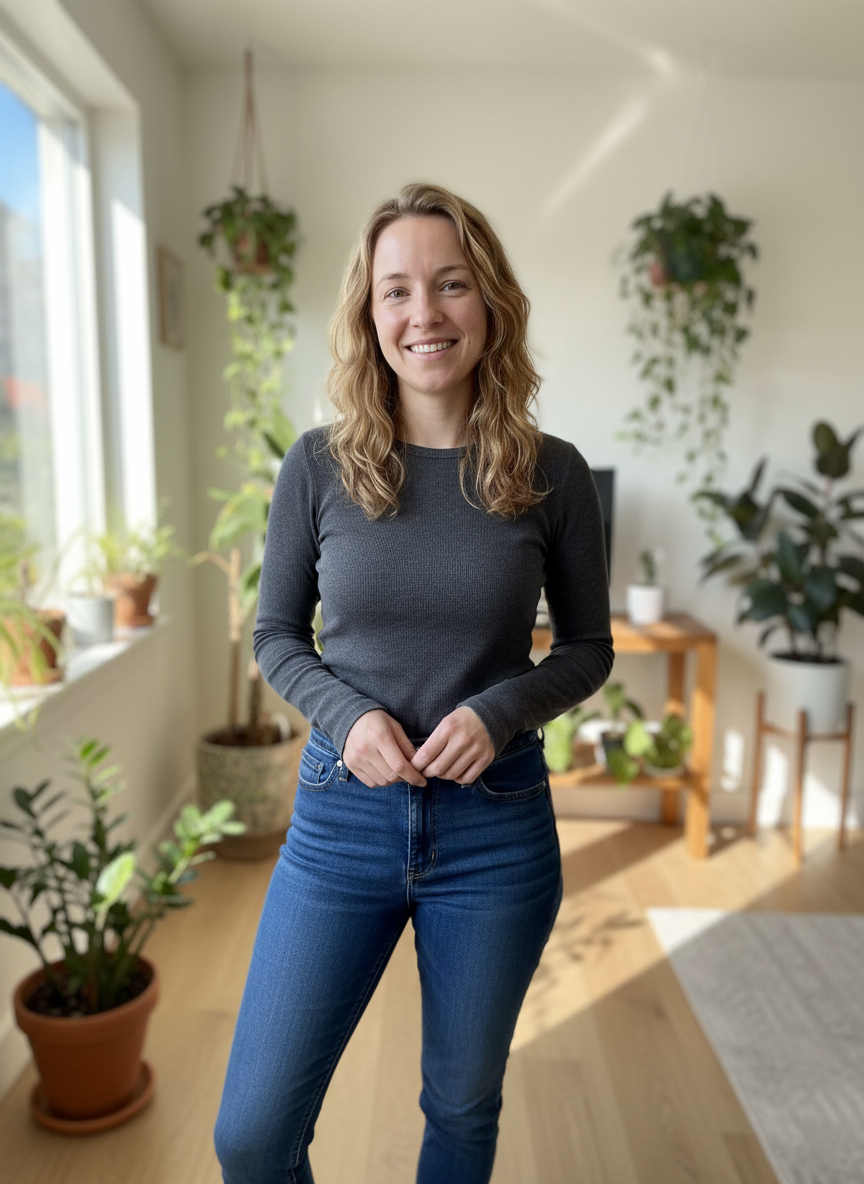
AI Twerk Output
What Is Squat Twerk?
Squat twerk is a twerk style performed from a deep squat position rather than a standing one. The dancer drops low to the ground with their knees bent wide, then generates rhythmic bouncing and hip movement from that low base. It is one of the most physically demanding forms of twerking because it requires leg strength, balance, and hip mobility to maintain the squat while producing powerful, controlled hip motion.
What makes squat twerk visually distinctive is the combination of depth and power. The low position creates a dramatic visual impact, and the upward bounce from the squat adds an explosive quality that standing twerk cannot replicate. The movement emphasizes the glutes and hips from an angle that makes the motion more pronounced and visible.
In dance culture, squat twerk is considered an advanced move. It appears frequently in professional dance videos, twerk competitions, and choreography that showcases technical skill. The style has gained massive popularity on social media platforms where short, high-energy dance clips perform well with audiences.
Squat twerk can be performed in several variations. The basic version involves a wide-stance squat with rhythmic hip bouncing. More advanced variations include single-leg squat twerk, squat twerk with hand touches to the ground, and squat twerk with lateral hip rolls. Each variation changes the visual character of the movement while maintaining the fundamental low-position base.
How the AI Handles Low Squat Motion
Generating realistic squat twerk from a still photo presents unique technical challenges that our AI has been specifically trained to handle.
The transition from standing to squatting is the first challenge. Most uploaded photos show the person standing upright. The AI must smoothly transition the body into a squat position before the twerk movement begins. This requires understanding how the knees bend, how the hips drop, how the torso angle changes, and how the arms reposition for balance. Our model handles this transition gradually over the first few frames so it looks natural rather than jarring.
Maintaining body proportions in a squat is the second challenge. When a person squats, their legs fold, their torso compresses slightly, and their overall silhouette changes dramatically. The AI must track these proportion changes accurately or the output will look distorted. Our model has been trained specifically on squat positions, so it understands the geometric relationships between body parts in a low stance.
Generating powerful upward bounce from a low position is the third challenge. The signature move of squat twerk is a strong upward hip thrust followed by a controlled drop back to the squat. The AI must generate enough vertical movement to make the bounce look powerful while keeping the body stable in the squat position. Too much movement and the person appears to stand up. Too little and the bounce lacks impact.
Knee and ankle stability is the fourth challenge. In a real squat twerk, the knees and ankles remain relatively stable while the hips do the majority of the moving. The AI must isolate the hip movement from the lower legs, which requires understanding which joints are active and which are serving as anchor points. Poor isolation results in the entire body bobbing up and down rather than just the hips bouncing.
Our model addresses all of these challenges through specialized training on squat-position dance data. The result is squat twerk animation that captures the power, depth, and rhythm of the real thing.
Squat Twerk Styles Available
Our squat twerk preset generates the core squat twerk movement, but using the custom prompt option lets you explore several style variations within the squat twerk category.
Classic Squat Twerk is the standard version. Deep squat, wide stance, rhythmic hip bouncing with moderate to high intensity. This is what most people think of when they hear "squat twerk" and it produces consistently impressive results.
Slow Squat Twerk slows down the bounce cycle for a more controlled, deliberate feel. Each hip drop and lift is drawn out, emphasizing the range of motion and the power of each bounce. This style works well for videos where you want the viewer to appreciate the technical quality of the movement.
Rapid Squat Twerk speeds everything up. The bounce cycle is fast and energetic, with quick transitions between up and down positions. This style has a high-energy feel that is great for social media content where you want to grab attention quickly.
Deep Drop Squat Twerk emphasizes how low the squat goes. The AI drops the hips as close to the ground as possible before each bounce, creating a dramatic range of motion. This variation showcases the extreme depth that makes squat twerk visually striking.
Squat Twerk with Hip Roll combines the low squat position with circular hip movement. Instead of purely vertical bouncing, the hips also roll in a circular pattern. This adds complexity and visual interest to the animation, creating a more varied and dynamic video.
To access these variations, select the custom prompt option and describe the specific squat twerk style you want using the keywords and descriptions above. The AI will interpret your description and generate the corresponding movement.
Best Photos for Squat Twerk Generation
While the AI can generate squat twerk from virtually any full-body photo, certain types of photos produce noticeably better results.
Full-body standing photos are the most versatile starting point. The AI handles the standing-to-squat transition smoothly, and having the full body visible means the AI has complete information about the person's proportions and appearance. Make sure the feet are visible in the photo, as the AI uses the foot position to anchor the squat stance.
Photos where the person is already slightly bent or in a partial squat are ideal. These give the AI a shorter transition distance to reach the full squat position, which means more of the video duration is spent on the actual twerk motion rather than the setup. If you are taking a photo specifically for squat twerk generation, a slight knee bend is a great starting position.
Fitted clothing works best for squat twerk specifically because the squat position involves significant body compression and folding. Tight-fitting shorts, leggings, or athletic wear allows the AI to track the body contours accurately through the squat transition. Very loose clothing can obscure the body shape in the squat position, reducing the visual impact of the movement.
Good lighting on the lower body is especially important for squat twerk. Since the movement is concentrated in the hip and glute area, having clear visibility and even lighting in that region helps the AI generate detailed, realistic motion. Avoid photos where the lower body is in shadow or poorly lit.
Avoid photos with objects between the camera and the person's lower body. Tables, chairs, or other obstacles that partially block the hip and leg area will confuse the AI and degrade the squat twerk output.
Photos taken from a slightly lower angle can produce dramatic results because the upward viewing angle emphasizes the squat position and makes the bounce motion more visually prominent. Eye-level and slightly above also work fine, but very high angles looking down are less effective for squat twerk content.
Squat Twerk vs. Standing Twerk: Which to Choose
Both squat twerk and standing twerk produce impressive results, but they suit different purposes and preferences. Here is how to decide which style to use.
Choose squat twerk when you want maximum visual impact. The deep position and powerful bounce make squat twerk the more dramatic and attention-grabbing option. It is a great choice for social media content that needs to stop scrollers in their tracks, or for any situation where you want the twerk movement to be as prominent as possible.
Choose standing twerk when you want a more natural, casual look. Standing twerk is closer to how most people actually dance in social settings, so it can look more believable and less extreme. It is also a good choice when the photo shows the person in an outfit or setting where a squat position might look out of place.
Choose squat twerk when the person in the photo is wearing athletic or fitted clothing. The squat position looks most natural with activewear, shorts, or fitted pants. It can look slightly odd with formal wear or very casual, loose clothing.
Choose standing twerk for your first generation if you are new to the tool. Standing twerk is more forgiving of different photo types and generally produces good results with less optimization. Once you are familiar with how the tool works, branch out into squat twerk for more specialized results.
You can always try both styles with the same photo and compare. Each generation is independent, so there is no penalty for experimenting. Many users find that they prefer squat twerk for some photos and standing twerk for others depending on the pose, outfit, and overall feel they are going for.
Tips for the Best Squat Twerk Results
Follow these tips to consistently get great squat twerk output from the generator.
Select the squat twerk preset for reliable results. Our preset has been optimized through extensive testing and produces strong output for the vast majority of photos. If you want to use a custom prompt, start with something like "deep squat twerk with powerful rhythmic bouncing, wide stance, hips moving with intensity and control."
Use the highest resolution photo available. Squat twerk involves more body deformation than standing twerk, which means the AI needs more pixel data to maintain quality through the squat transition. Higher resolution input leads to sharper, more detailed output.
Make sure the floor is visible in your photo. The AI uses the ground plane to anchor the squat position. If the photo is cropped at the ankles or does not show the surface the person is standing on, the AI has to estimate the ground position, which can reduce accuracy.
Keep the background simple. Squat twerk generation requires more processing power than standing twerk because the body position changes more dramatically. A clean background lets the AI dedicate its full capacity to the body animation.
Try generating at 10 seconds first. Squat twerk is visually intense, and 10 seconds is often the perfect duration. The movement is so dynamic that longer durations can feel repetitive. If you find that 10 seconds is not enough, upgrade to 15 seconds on your next generation.
If the result shows the person's knees looking unnatural or the squat position seems unstable, try a different photo with a more front-facing angle. Side-angle photos can sometimes produce awkward knee geometry in the squat position because the AI has less information about leg depth and spacing.
Ready to Create Your Twerk Video?
Upload a photo and get a realistic AI twerk video in minutes.
Try It Now